
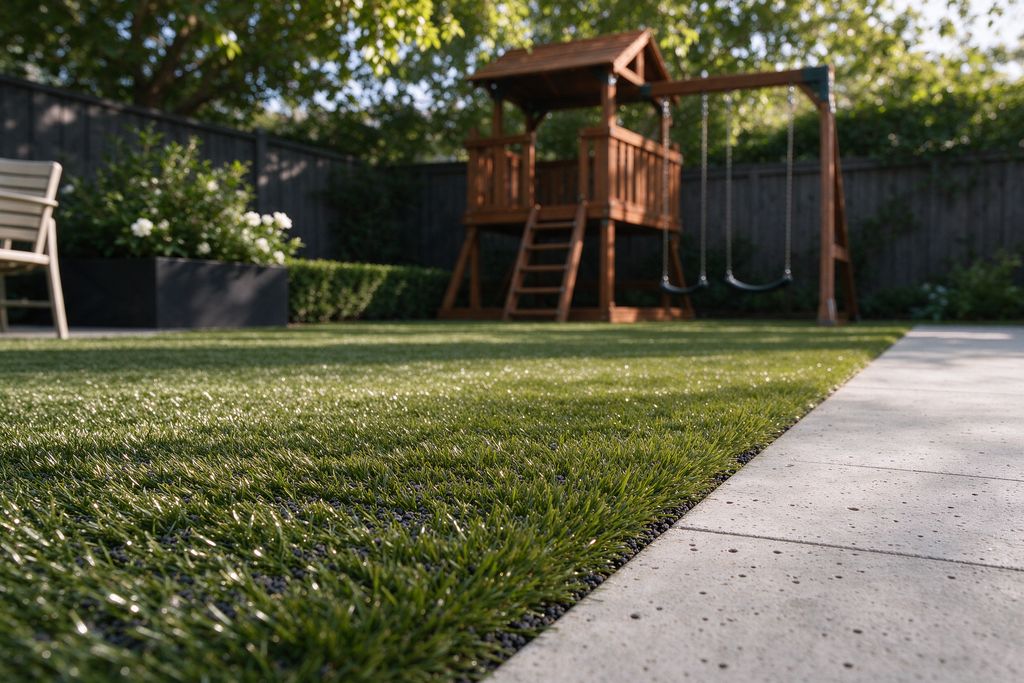
Natural Grass vs Artificial Turf
Drainage, heat, pets, kids, upkeep and lifespan side by side.
Open the guideIndependent turf information site, not a licensed contractor. Hire licensed, insured pros where your state or city requires it. Read the notice
A national guide to grass, sod and synthetic turf
Start below the surface. The lawn follows.
Straight answers on natural grass versus artificial turf, laying sod, aeration, irrigation and shrinking a thirsty lawn, plus an inquiry form when you are ready to talk about your own yard.
Sheet 01 / The ground plan
Most lawn and turf failures we read about start in the bottom six inches, not the top two. Grade, soil, roots and water decide whether grass thrives or a synthetic surface stays flat and drains. Hover or tap a layer.
Layer 01 / Grade
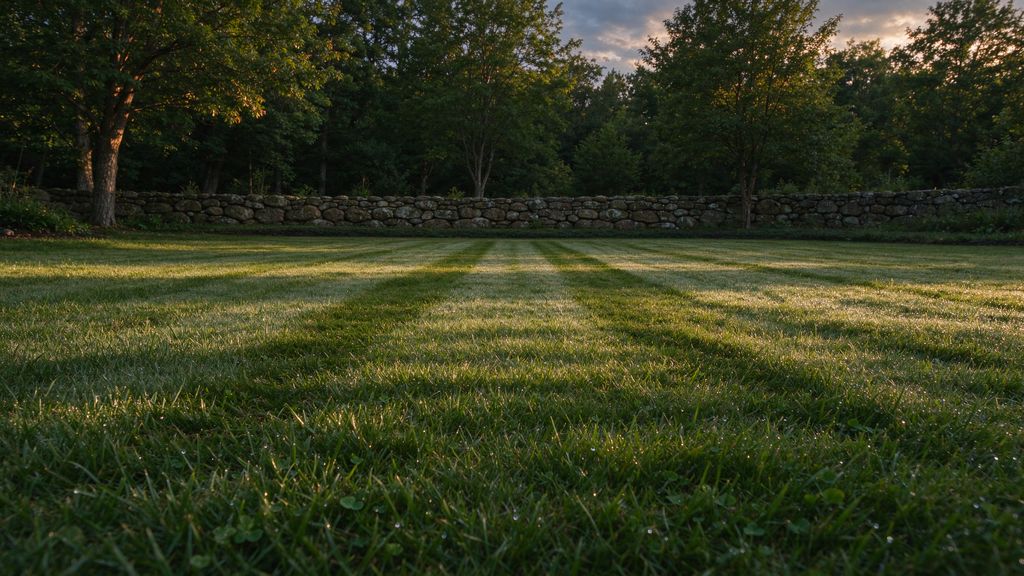
Finished grade typically falls away from the foundation, and low spots get filled before anything goes down. Sod and synthetic turf both copy the surface under them, so a dip you can see in bare soil becomes a puddle later.
Layer 02 / Soil
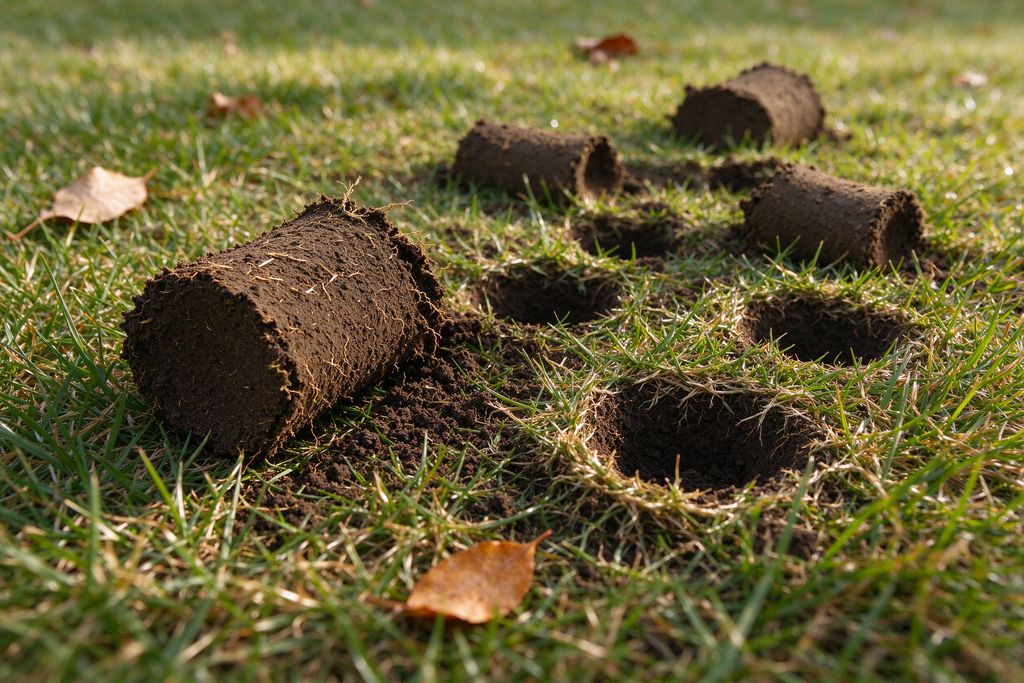
A soil test from a county extension office or private lab shows pH, nutrients and organic matter. Compacted clay is the usual culprit behind thin grass; for natural turf it gets loosened and amended, for synthetic turf it is excavated and replaced with a compacted aggregate base.
Layer 03 / Roots or base
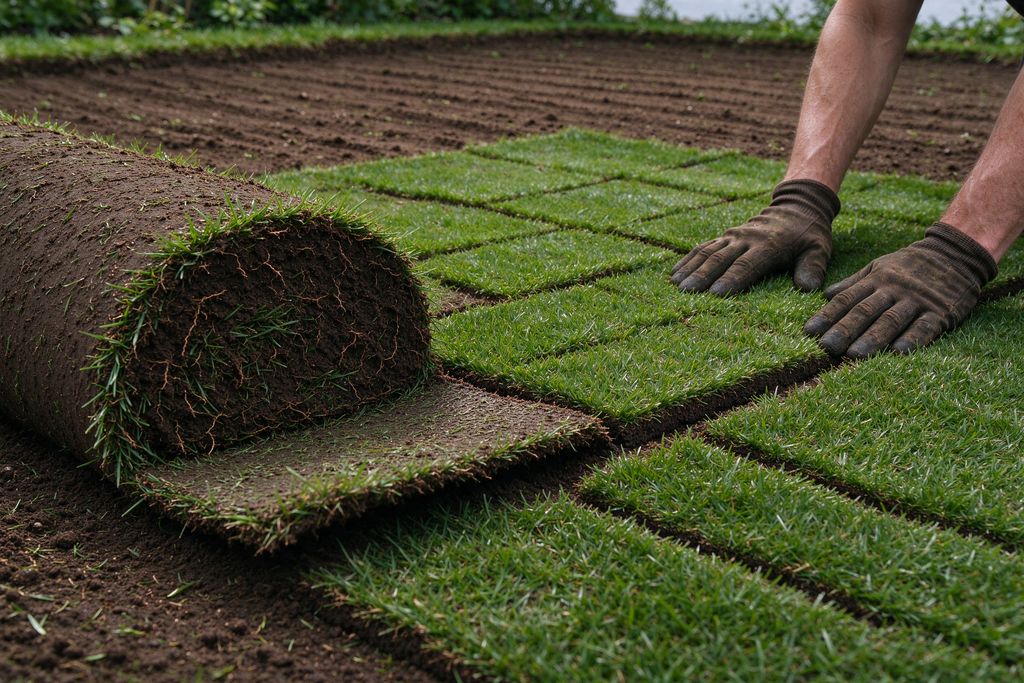
Grass roots that reach several inches down ride out heat and drought. Synthetic turf has no roots, so the base does the work: its depth, compaction and drainage rate decide whether the surface ripples or holds.
Layer 04 / Water
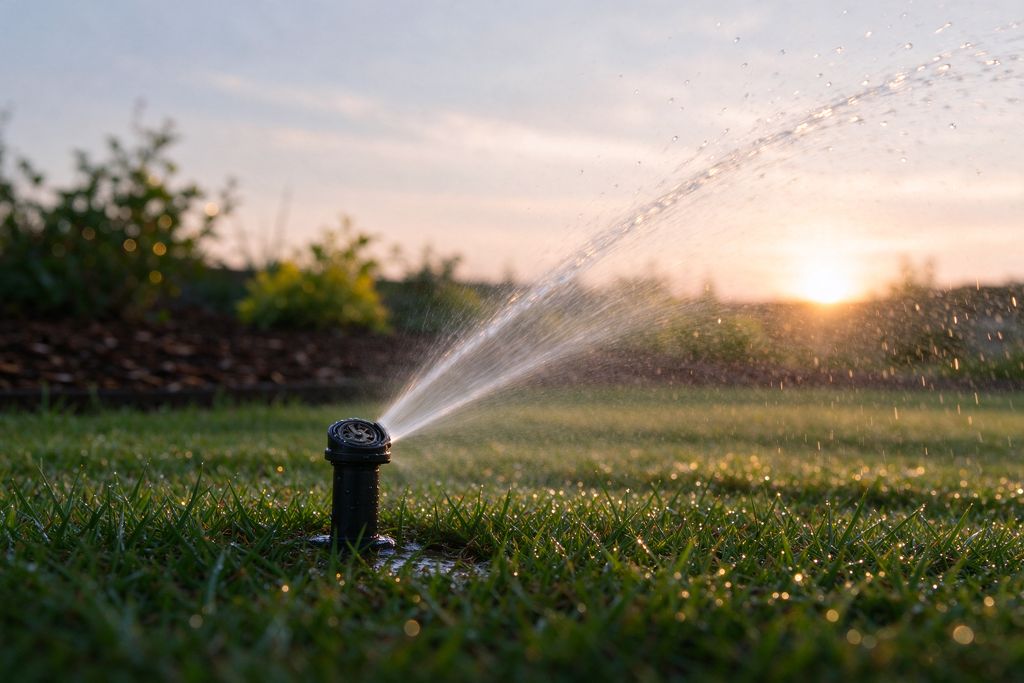
Grass trained with long, spaced-out watering grows deeper roots. Synthetic turf still needs water for rinsing and cooling in many yards. Either way, drainage has to carry the excess somewhere it can go.
Grade / Soil / Roots or base / WaterTurf Masters ground plan
Quick weigh-up
Tick what is true for your space. The scale leans toward the surface that usually suits those conditions. It is a starting point for a conversation with an installer, not a verdict.
Read the full comparisonTick a few conditions to see which way your yard leans.
Seven guides
Pick the job in front of you. Each guide covers the method, the common mistakes and the questions worth asking a contractor.
Drainage, heat, pets, kids, upkeep and lifespan side by side.
Open the guide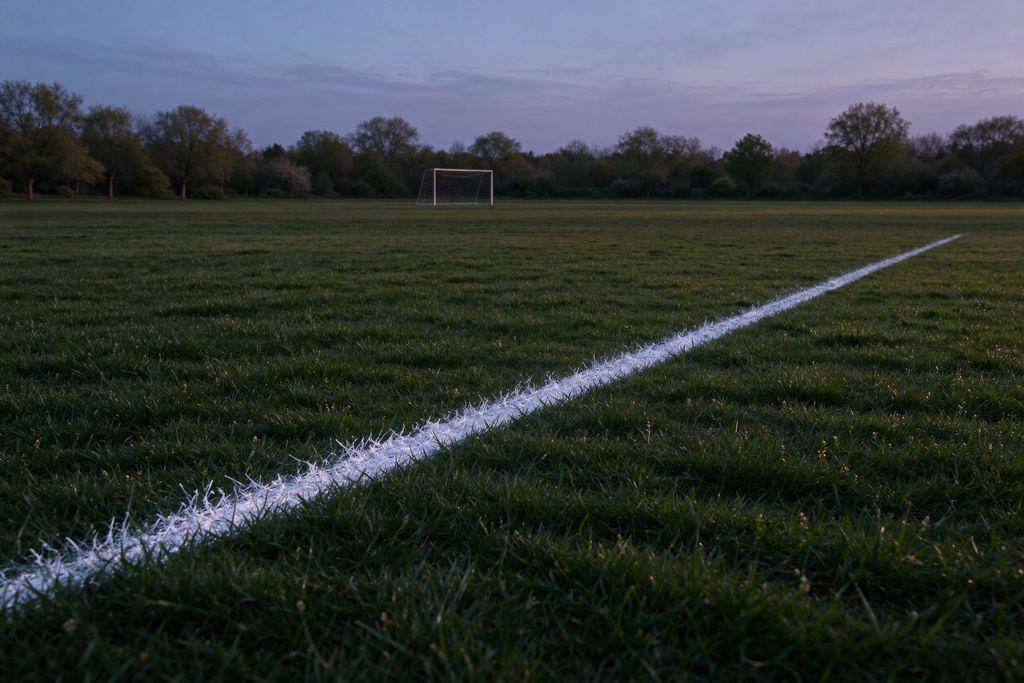
Wear, footing, shock pads and recovery for fields and yards.
Open the guide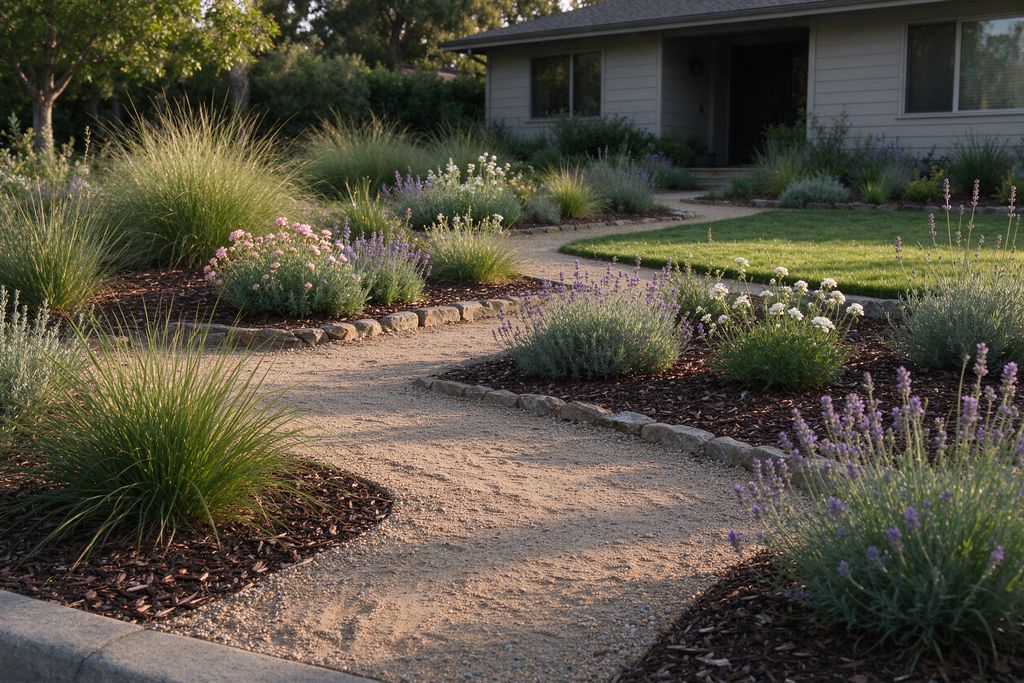
Grade, soil, laying pattern, rolling and the first weeks of water.
Open the guideThe turf year
None of these is glamorous. Together they decide whether a lawn fills in or slowly thins out.
Core aeration pulls finger-sized plugs so air, water and seed reach the root zone. Mark sprinkler heads first; tines and heads do not mix.
Seed dropped into fresh aeration holes gets the soil contact it needs. Cool-season lawns are usually overseeded in early fall.
Fewer, longer cycles in the early morning push roots down. Daily sprinkles keep them shallow and invite disease.
Taking no more than about a third of the blade at a time leaves leaf to shade the soil and crowd out weeds.
How a turf project usually runs
Whether the end result is sod, seed or a synthetic surface, a well-run job moves through the same five stages. Skipping one is where most callbacks come from.
Sun hours, slope, where water collects, how the space is used and what is underground. Utilities get located through 811 before anyone digs, which is a free call in every US state.
Old turf comes out, the soil is tested, and grade is corrected. For grass that means loosening and amending; for synthetic turf it means excavating and building a compacted, draining base.
Sprinkler zones are adjusted or capped, drip lines are routed, and drains go in while the ground is open. Doing this after installation means cutting into new turf.
Sod is laid in staggered rows and rolled. Synthetic turf is rolled out with the grain facing one way, seamed, nailed or stapled at the edges, then infilled and brushed.
New grass needs a watering schedule that tapers off over a few weeks. Synthetic turf needs a care sheet covering brushing, rinsing and infill top-ups. Ask for both in writing.
Project inquiry
Describe the space and what you want from it. A reply comes by email. The more you include, the more useful the answer:
Independent turf information site, not a licensed contractor. Hire licensed, insured pros where your state or city requires it.